
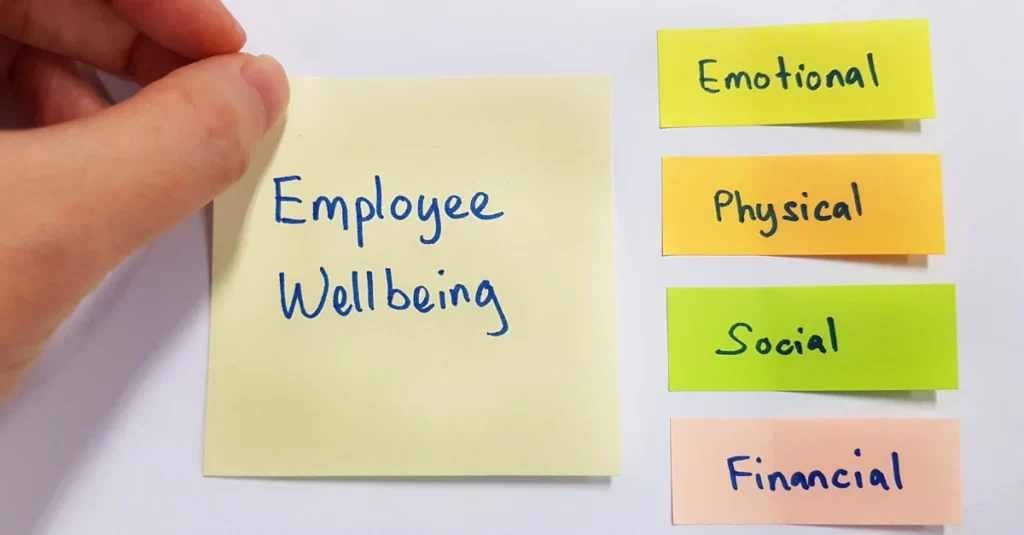
Let’s be honest – corporate travel can feel like a perk… until it isn’t. The airport lounges and hotel upgrades quickly give way to early flights, back-to-back meetings, and the quiet fatigue that builds up over time. While business travel remains essential for growth and relationship-building, the impact on traveller wellbeing – both physical and mental – is becoming impossible to ignore.
The Hidden Cost of Life on the Move
At a global level, business travel is thriving again, but it comes with mounting pressure. According to SAP Concur research, 91% of business travellers say their flexibility has reduced, and many are navigating tighter schedules and increased expectations.
Physically, the strain is real. Long-haul travel disrupts sleep cycles, and the science backs it up: 68% of international business travellers report experiencing jet lag symptoms regularly, affecting concentration, mood, and overall performance.
Then there’s the lifestyle factor – only 2 in 10 travellers manage to exercise regularly while travelling, largely due to tight itineraries and fatigue. That combination of poor sleep, reduced movement, and inconsistent nutrition adds up quickly.
Mentally, the picture is just as concerning. Studies show one-third of business travellers experience anxiety (34%), stress (34%) and exhaustion (29%) on trips. Being away from home also takes its toll, with 39% citing time away from family and friends as a major stressor.
It’s clear: travel doesn’t just tire you out – it can wear you down.
The South African Lens
For South African corporate travellers, these challenges are amplified. According to Gallup’s 2026 workplace data:
- 36% of employees experience daily stress
- Only 18% are actively engaged at work
Other local reporting shows over 71% of employees are disengaged or actively disengaged, highlighting widespread burnout risk.
Add frequent travel into that mix, and it’s easy to see how quickly wellbeing can deteriorate.
Common Pitfalls of Corporate Travel
So where does it all go wrong?
- Physical fatigue and burnout – Jet lag, poor sleep, limited movement, and unhealthy eating habits gradually erode energy and immunity.
- Mental overload – Tight schedules, constant performance pressure, and travel disruptions create ongoing stress. In fact, 88% of travellers have had to change plans due to disruptions, adding frustration and anxiety.
- Disconnection and loneliness – Spending extended time away from support systems can lead to isolation – something often overlooked in corporate travel planning.
How Businesses Can Better Support Traveller Wellbeing
This is where organisations have a real opportunity to make a difference. According to BCD Travel, 85% of business travellers say employer support for physical and mental wellbeing is very or extremely important – yet many still feel underserved.
Here’s what leading companies are doing differently:
- Design traveller-first policies
Prioritise direct flights, sensible schedules, and rest periods over purely cost-driven decisions. - Enable flexibility
Bleisure options and buffer time reduce stress and help travellers reset. - Invest in wellness support
Access to gyms, healthy meals, and wellness apps is no longer a luxury- 51% of travellers actively seek hotels with wellness facilities - Stay connected
Regular check-ins and clear communication improve both safety and emotional wellbeing. - Use data to prevent burnout
Monitoring travel frequency and patterns can help identify when employees need a break.
Practical Tips for Travellers
While businesses set the foundation, you play a role too. A few small habits can go a long way:
- Protect your sleep: Adjust your schedule and avoid jumping straight into heavy meetings on arrival
- Move when you can: Even short walks or hotel workouts boost energy
- Eat smart: Balance convenience with nutritious choices
- Stay connected: Check in with loved ones to combat isolation
- Plan recovery time: Build in downtime before and after trips
The Bottom Line
Corporate travel isn’t slowing down – but the way we approach it is changing. Traveller wellbeing is no longer a secondary consideration; it’s central to performance, engagement, and long-term sustainability.
When businesses and travellers work together to prioritise health, on and off the road, travel becomes less about survival and more about thriving.
Sources
- SAP Concur Global Business Travel Survey (2024) [concur.com]
- CDC Yellow Book: Jet Lag Disorder (2026) [cdc.gov]
- BCD Travel, Traveler Wellbeing: Manage Stress [bcdtravel.com]
- BCD Travel Insights on Traveller Wellbeing [bcdme.com]
- World Travel Protection / Opinium Business Travel Survey (2024) [traveldailynews.com]
- Berkley Accident & Health, Mental Health Matters to Business Travelers (2025) [berkleyah.com]
- Gallup State of the Global Workplace: South Africa (2026) [gallup.com]
- News24 & South African workplace stress reporting (2024) [news24.com]
- BCD Travel Hotel Booking Trends Report (2025) [hotelgyms.com]